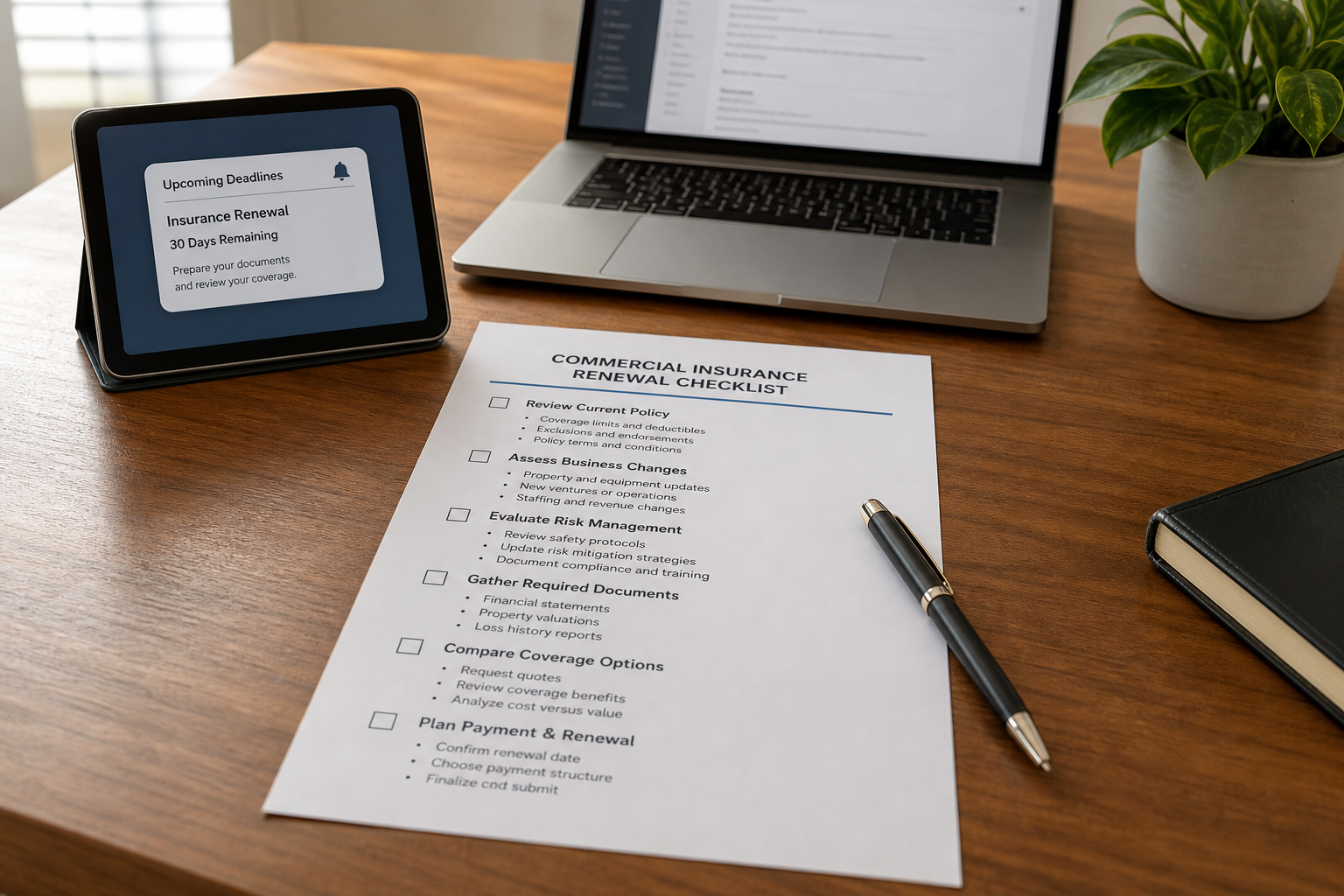
Before holiday time off, an insurance agency should review unresolved payment questions, assign backup responsibilities, verify client instructions, and confirm how urgent account issues will be handled. A shared checklist helps the team maintain service when the person who normally manages an account is away.
A payment question can be simple when the usual account manager is available and difficult when the answer lives only in that person’s inbox. Preparing for time off means making the current status and next action understandable to someone else.
Identify Accounts That Need Attention
Review the accounts with an outstanding action, such as an unanswered payment question, a document awaiting signature, or a payment issue that requires follow-up. Use approved systems and current account information to establish what remains unresolved.
Keep a concise working list with the account reference, open issue, next action, responsible person, and relevant date. Store it in the approved location and limit access appropriately. The list should help a colleague find the record, rather than duplicate sensitive account information.
Assign a Backup With the Access to Help
Naming a backup is useful only if that person can find the information and perform the necessary task. Before an absence, verify approved access and explain any account circumstances that require special attention. Do not share passwords to fill an access gap.
Define which questions the backup can resolve and which need to go to a supervisor, service team, or payment provider. Include a route for urgent issues so a colleague is not left guessing whom to contact.
Confirm Payment Instructions and Dates
Check that the client has the correct payment destination and a reliable way to reach the appropriate service team. Distinguish agency office availability from the payment provider’s processing arrangements and the deadlines in the applicable documents.
Do not assume that an office closure extends a due date or changes a notice requirement. Verify the specific account information with the appropriate provider before advising the client. If timing is uncertain, resolve the question before the absence rather than offering an estimate.
Check Setup Before Relying on Automated Tools
If a client expects to use AutoPay or receive electronic notifications, verify the relevant enrollment or account status through the approved process. Explain where the client can confirm upcoming activity or get help with a question. Do not treat an enrollment request as proof that every step is complete.
For agencies using IPFS, the cancellation avoidance resource describes available account monitoring tools, including alerts and reports. Use the tools available to the account and confirm any action needed with the responsible team.
Write a Handoff Someone Can Act On
A useful handoff answers five questions: What is open? What has already happened? What needs to happen next? When does it matter? Who should act? Include the source of the latest status so the backup can verify it.
For example, “Awaiting client response” is incomplete. “Client was sent the approved payment instructions Tuesday; account manager to confirm the outstanding requirement by Thursday using the account record” gives a colleague a task and a way to check it. Use actual dates in the working record.
Close the Loop After the Absence
On return, review what changed and resolve any remaining questions. If the same information gaps repeatedly make handoffs difficult, update the team’s normal process. A seasonal checklist is most useful when it improves everyday service as well.
Clients should know what they need to do and whom they can reach, even when their usual contact is away. Preparing the handoff in advance helps the agency provide that continuity.